
Heritage Meets Modern Design - A Visual Solution for Planning Approval

“We are confident that the images you produced for our project played a major part in us successfully attaining planning permission to both convert and extend a derelict rural agricultural property. Properties of this type are notoriously difficult to extend beyond their original footprint, however we were able to significantly extend our living space by 75 sq.m.”
David, Private Developer of Hedgehog Cottage
The Challenge
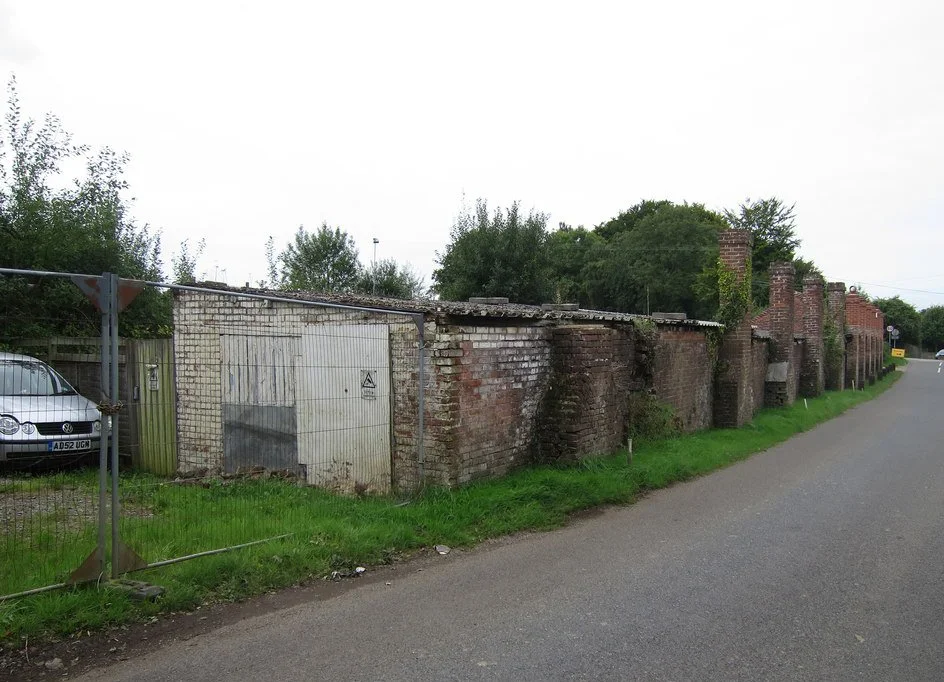
Nestled in the Kent countryside, Hedgehog Cottage began life as a modest hop picker’s hut, a rare and culturally significant building rooted in the area’s horticultural heritage. When the owners sought to transform it into their new home, the proposal required a carefully considered approach, including the addition of a contemporary extension to support modern living.
Given the building’s heritage value, the project quickly faced scrutiny from the local planning authority. Any intervention needed to be handled with sensitivity, and the planners required clear reassurance that the proposal would:
Clearly distinguish new construction from old through a glazed link
Respect the scale, materials and character of surrounding agricultural buildings
Remain visually unobtrusive when viewed from the public highway
In this context, architectural drawings alone were not sufficient. The council needed to understand how the proposal would sit within its landscape, not just technically, but visually and culturally, before they could support the application.

The Solution
Working closely with the client, I produced a single, highly detailed exterior visualisation from within the garden. This view was carefully chosen to clearly communicate the conversion of the existing building alongside the design of the new extension, with particular emphasis on materials, proportions and the clear glass link that visibly separates old from new.
Beyond explaining the architecture itself, the image was intended to help viewers understand how the building would be used and why the additional extension was a meaningful and necessary part of the client’s life. This helped create a clearer, more relatable understanding of the proposal at planning stage.
Alongside this, a set of lower-detail design visuals were produced, including:
Views from the public highway and adjacent footpath, demonstrating that the extension was low-profile and did not dominate the original cottage
An elevated overview image to provide wider context and clearly explain the overall arrangement of the scheme
Together, these visuals provided a balanced and accessible way to communicate both the architectural intent and the impact of the proposal within its setting.

The Result
With the visualisations produced forming the centrepiece of the planning submission, the local authority was able to clearly understand the proposal’s sensitivity and intent.
The result?
Planning permission granted!
Positive feedback from neighbours on the respectful integration of old and new.
A homeowner empowered to move forward with their dream home, knowing it would preserve and honour the site’s heritage.
Update for 2026: The Homeowners are now moved into their new home and hosted their first family Christmas end of 2025, photos to come!
Why It Matters
Projects like Hedgehog Cottage show how important clear visual communication can be at the earliest stages of a residential project , especially where heritage is involved.
Although the visualisations focused solely on the exterior, they played a key role in helping planners understand how the building would be experienced as a home, not just as a proposal on paper. By showing scale, materials and the relationship between old and new in context, the visuals helped demonstrate that the extension would sit quietly within its surroundings while supporting modern family life inside.
For heritage projects in particular, trust is essential. Exterior visualisation allows decision-makers to see that new interventions can be respectful, without competing with the original structure or its setting.
Now that the family has moved in and the house is being lived in, the success of the project is no longer measured by drawings or approvals, but by everyday use.
